The Definition of Luck in Gambling
Luck, often perceived as a random occurrence beyond one’s control, plays a pivotal role in gambling. In the context of casinos, luck is intricately tied to the outcomes of games, significantly influencing both the players’ experiences and the casino’s profitability. While skill and strategy are undeniably important in some games, countless tales of unexpected wins highlight how luck can overshadow experience, making it a central theme in the gambling world. Many players seek the best nz online casino to maximize their chances of experiencing that thrill. The sheer unpredictability of luck adds an element of excitement that draws people into the gaming environment.
The randomness of games such as slots or roulette exemplifies how luck determines the outcome, regardless of a player’s strategy or expertise. For instance, a novice slot player can hit a massive jackpot while a seasoned gambler might walk away empty-handed. This unpredictability is alluring to many, as it suggests that everyone has a chance to win, regardless of their level of expertise. This democratic nature of luck in gambling enhances the thrill and makes it appealing to a wide range of players.
Moreover, the perception of luck varies among players. Some believe in lucky numbers or rituals that they think enhance their chances of winning, while others view luck as purely arbitrary. This spectrum of belief adds a psychological layer to gambling, with the idea that luck can be influenced by superstition, further deepening the allure of the casino environment. Players often create personal narratives around their experiences, attributing wins to their lucky charms or methods, which can enhance their overall enjoyment of the games.
Probability and Luck: A Delicate Balance
In the realm of casinos, probability and luck coexist in a delicate balance. While mathematical probabilities dictate the odds of winning in any game, luck can often defy these odds, leading to surprising outcomes. Understanding this relationship is essential for players, as it shapes their expectations and strategies. For example, the house edge in blackjack means that theoretically, players will lose in the long run, yet occasional lucky streaks can result in significant wins. This duality creates an engaging gameplay experience that keeps players returning for more.
This paradox reflects the thrill of gambling; it’s this interplay between expected probabilities and the randomness of luck that keeps players engaged. Many have anecdotes of unexpected good fortune that led to memorable casino experiences, reinforcing the notion that luck has a profound impact on individual success. Because of this, even seasoned gamblers often find themselves at the mercy of chance, a reality that can be as thrilling as it is frustrating. This unpredictability is what keeps the atmosphere vibrant and dynamic within casinos.
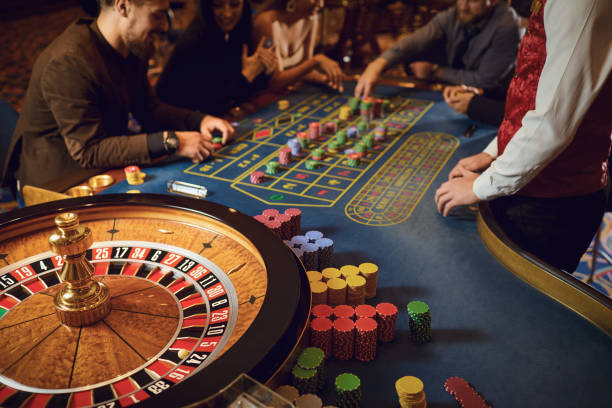
Additionally, this balance affects how casinos operate. They rely on statistical models to set game odds, yet they also understand that luck draws players in. Offering games with different odds allows casinos to cater to varying preferences, ensuring that players can choose their level of risk while still hoping for that lucky break that could change their night. This strategic manipulation of odds is a fundamental aspect of the gambling industry, creating a landscape where luck remains a key player.
The Psychological Impact of Luck in Casinos
The psychological dimension of luck significantly influences player behavior and decision-making in casinos. The thrill of winning, no matter how small, can create a psychological reward that encourages players to continue gambling. This phenomenon is often fueled by the perception of luck. For example, when someone experiences a series of wins attributed to luck, their confidence may surge, leading to riskier bets and potentially larger losses. This cycle of winning and losing, driven by the perception of luck, can create a compelling yet risky gambling environment.
Conversely, losing streaks can create a sense of frustration or even hopelessness, prompting players to change their strategies, increasing their wagers in hopes of recouping losses. This cyclical pattern demonstrates how luck can manipulate emotions, driving players deeper into the gambling experience. Casinos often design their environments to amplify this psychological effect, with sounds, lights, and other sensory cues enhancing the notion of luck and fortune. This carefully crafted atmosphere plays a significant role in keeping players engaged and immersed in the gambling experience.
Ultimately, understanding the psychological impact of luck enables gamblers to navigate their experiences more wisely. Recognizing the role of luck allows individuals to approach gambling with a balanced mindset, acknowledging that while they may possess skill, luck will always play an integral part in the outcome. This awareness can lead to healthier gambling habits and more enjoyable experiences within the casino setting. Players who can manage their expectations regarding luck are better equipped to enjoy their time without succumbing to the pressures of the gambling environment.
The Role of Promotions and Lucky Events
Promotions and special events in casinos are often structured around the concept of luck, attracting players eager to try their fortune. Many establishments host tournaments, raffles, or giveaway nights, all designed to create an atmosphere where luck is celebrated. These events often promise big winnings, drawing crowds and encouraging participation, as players are enticed by the idea of luck favoring them on a particular night. The excitement generated by these promotions further fuels the belief in luck as a driving force behind success.
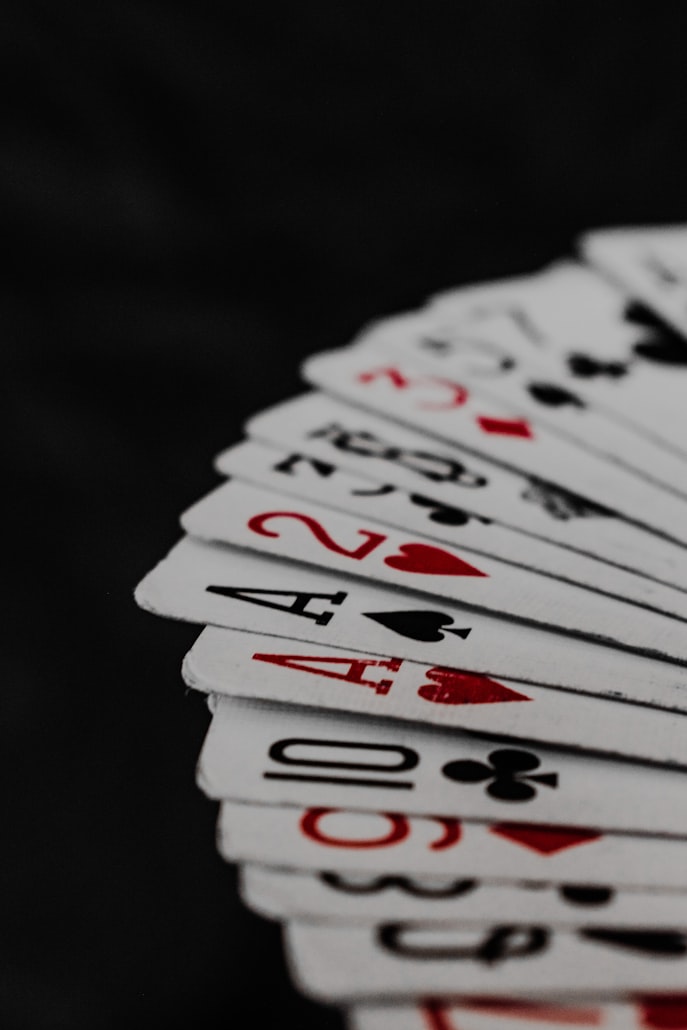
Furthermore, the marketing strategies utilized by casinos frequently emphasize luck, showcasing success stories of fortunate players who have won significant amounts. By promoting narratives of luck, casinos create a compelling narrative that invites others to participate, hoping that they too might experience a lucky turn of events. This marketing approach taps into the human desire for stories of success and the thrill of unpredictability, making such events incredibly appealing to a broad audience.
However, while these promotions can provide excitement, it’s essential for players to remember that luck is unpredictable. Participating in lucky events can be exhilarating, but it can also lead to unrealistic expectations. Players should approach these promotions with a grounded mindset, recognizing that while luck can bring fantastic rewards, it can just as easily lead to losses, reinforcing the importance of responsible gambling practices. Maintaining a realistic perspective can help players enjoy the thrill without falling into the trap of chasing after luck.
Exploring More About Luck and Casinos
For those seeking to delve deeper into the intricate relationship between luck and casino success, numerous resources can provide further insights. Websites dedicated to gambling often feature articles, forums, and expert opinions discussing strategies and the psychological dimensions of luck. These platforms can be invaluable for both newcomers and experienced players looking for advice on maximizing their gaming experiences. Engaging with these resources can enhance a player’s understanding of the dynamics at play in the casino environment.
Moreover, exploring scientific studies and statistical analyses can also aid players in understanding the role of luck versus skill. Many enthusiasts engage in communities where strategies are discussed, highlighting personal experiences with luck and fortune in various games. These discussions not only enhance the player’s knowledge but also foster a sense of camaraderie within the gambling community. Sharing stories and strategies can provide a broader perspective on how luck intertwines with individual experiences.
Ultimately, grasping the complex dynamics between luck and casino success enriches the overall gaming experience. As players navigate their journeys, a balanced understanding of luck’s role can lead to more enjoyable and responsible gambling practices, ensuring that the thrill of the game remains just that—a thrilling adventure shaped by both chance and personal choice. By recognizing the multifaceted nature of luck, players can engage more thoughtfully with their gambling pursuits.