Online baccarat in Australia often feels like watching a digital shoe shuffle itself, but the engine under that hood is the random number generator, and understanding it changes how you read a session. When you sit down at a platform like wolf winner casino login access and place your first bet, the software is not dealing physical cards at all. It is running a certified sequence that mimics a shoe, and that distinction matters for anyone trying to judge fairness, pace, and bankroll risk. The glow of a Brisbane arvo on a laptop screen does not change the maths, but it does change how a player notices the rhythm of wins and losses.
What the RNG Shoe Actually Does
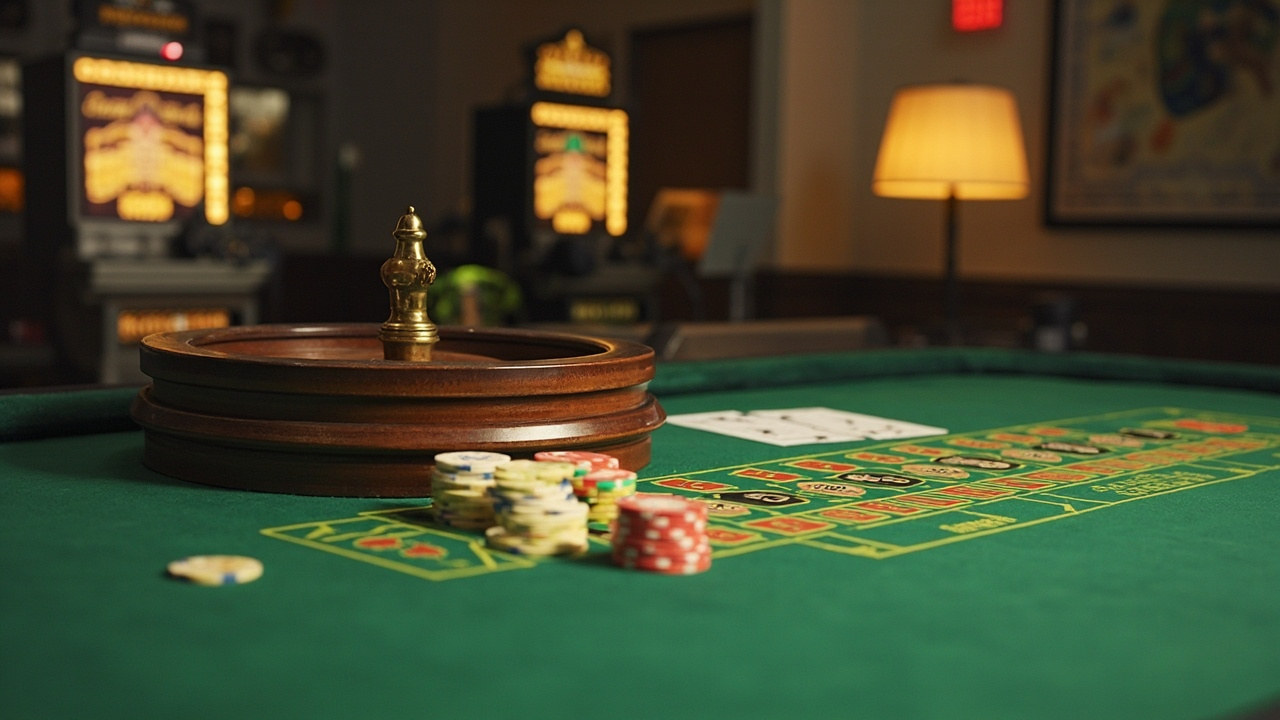
The software replaces a physical shoe with a stream of pseudo-random numbers that map onto pre-set card distributions. A certified provider seeds the generator, runs statistical tests, and publishes the audit trail so operators can claim the output is not biased toward the house beyond the built-in edge. When you press deal, the game pulls the next valid sequence, maps it to a virtual shoe, and paints the result on your screen. The illusion of a shuffling deck is cosmetic; the real work happens in the background where the algorithm decides each hand independently. That independence is the point, because it stops any memory of previous results from influencing the next one, which is exactly how a fair shoe should behave. Players who expect patterns to carry over often misread the tempo, and that is where the software’s transparency matters more than the graphics.
I asked Lily Wilson, Head of Analytics, Banksia Betting Partners, how she explains the shoe illusion to new clients. She said, “The software is not trying to be a casino floor, it is trying to reproduce the statistical footprint of one without the physical constraints.” That caveat matters because the shoe length, the number of decks, and the cut card rules are all parameters the operator sets before the first hand. When you compare that to a live dealer table, the difference is not just speed, it is the absence of any physical artefact that a sharp player could theoretically exploit. Edge sorting exploits tiny manufacturing differences on the backs of cards, and that kind of technique has no purchase on a purely digital shoe where the card faces are rendered after the outcome is already locked. The software side is cleaner in one sense, but it also removes the tactile cues that some players rely on to gauge whether a shoe is running hot or cold.
How a First Session Actually Plays Out
Registration and verification are the first gate, and they are where most Australian players meet the compliance side before they ever see a shoe. You enter your details, confirm your age and identity, and the operator runs the usual checks before allowing a deposit. Once the account is cleared, the first deposit unlocks the lobby, and any welcome bonus needs to be activated before the first round if the terms require it. The pace of a first session is usually faster than a physical table because the RNG shoe does not wait for a dealer to shuffle, and that speed can catch a player out if they are used to pacing their bets around a live rhythm. A practical walkthrough starts with a small stake, a clear stop point, and a read of the game rules screen, because the software will not slow down to explain the house edge unless the lobby puts it in front of you. American roulette carries a house edge of about 5.26%, and while that is a different game, it is a useful reminder that the edge is baked into the rules, not negotiated at the table.
The bonus mechanics on these platforms usually attach wagering requirements to the bonus funds, and the first play should be treated as a test of the software’s behaviour rather than a sprint to clear terms. You are watching how the shoe presents wins, how often the banker or player side repeats, and whether the interface gives you the history you need to keep your own notes. Payments and currencies vary, but the consistent part is that the RNG output does not care what funding method you used, and the loyalty scheme, if there is one, usually tracks wagering volume rather than wins. Mobile play is where most Australian adults end up, and the shoe behaves the same way on a phone as it does on a desktop, though the smaller screen can make the history panel harder to scan during a busy arvo session. Support teams on these products tend to handle verification queries and bonus questions more often than game mechanics, because the software side is meant to be self-evident once the rules are clear. Ptakha
Why the Software Side Matters for Australian Players
The commercial reality is that operators compete on software presentation, provider reputation, and bonus terms, while the underlying RNG shoe is a compliance baseline rather than a selling point. That means a player comparing platforms is really comparing how clearly the rules are displayed, how fast verification moves, and whether the bonus structure matches a cautious first session. The Australian market is busy as always, and the platforms that keep their terms readable tend to attract players who want to judge the product before they commit much time. Yet lotteries were widely used to fund public projects even in Puritan-influenced colonies, which is a reminder that games of chance have always carried a public-facing promise of fairness alongside the private maths of the house. That tension still sits at the centre of online baccarat, where the software has to look fair while the edge does the work.
I put the question of software trust to Lily Wilson, Head of Analytics, Banksia Betting Partners, and she was direct about what players should actually look for. She said, “A certified RNG is a baseline, not a guarantee of short-term results, and the shoe is just the packaging for that randomness.” That judgement call is useful because it keeps the focus on what the software can and cannot do. The software can reproduce a fair shoe, can run at a consistent pace, and can log every hand for audit purposes, but it cannot soften the edge or bend the sequence to help a player out of a run. For an Australian adult weighing up a first session, that means the practical question is less about whether the shoe is real and more about whether the platform is clear about the rules, the bonus terms, and the verification steps that stand between signup and the first deal. The rest is pacing, bankroll discipline, and knowing when to close the laptop.

Understanding the RNG baccarat shoe is mostly about stripping away the visual noise and seeing the sequence for what it is, a certified random output dressed up as a deck. The practical side is the registration, the verification, the first deposit, and the first hands where you learn the pace before you commit more time. The software does not change the maths, and it does not care where you are playing, but it does change how quickly a session moves and how much history you can keep track of on a screen. For anyone in Brisbane or anywhere else in Australia treating this as a paid-for pastime, the useful habit is to read the rules, activate any bonus deliberately, and judge the platform by how clearly it lays out the edge and the terms rather than by how polished the shoe looks.